TL;DR — A Melbourne home had a driveway gate with two daily annoyances: you couldn’t tell from inside whether it was open, and you couldn’t open it without finding the handheld remote first. We used the camera already pointing at the gate to read its state, and added a small radio device inside the house that copies the original remote’s signal. Now the home can see the gate and control it from any phone, in any lighting, with nothing bolted onto the gate itself.
Why we did it
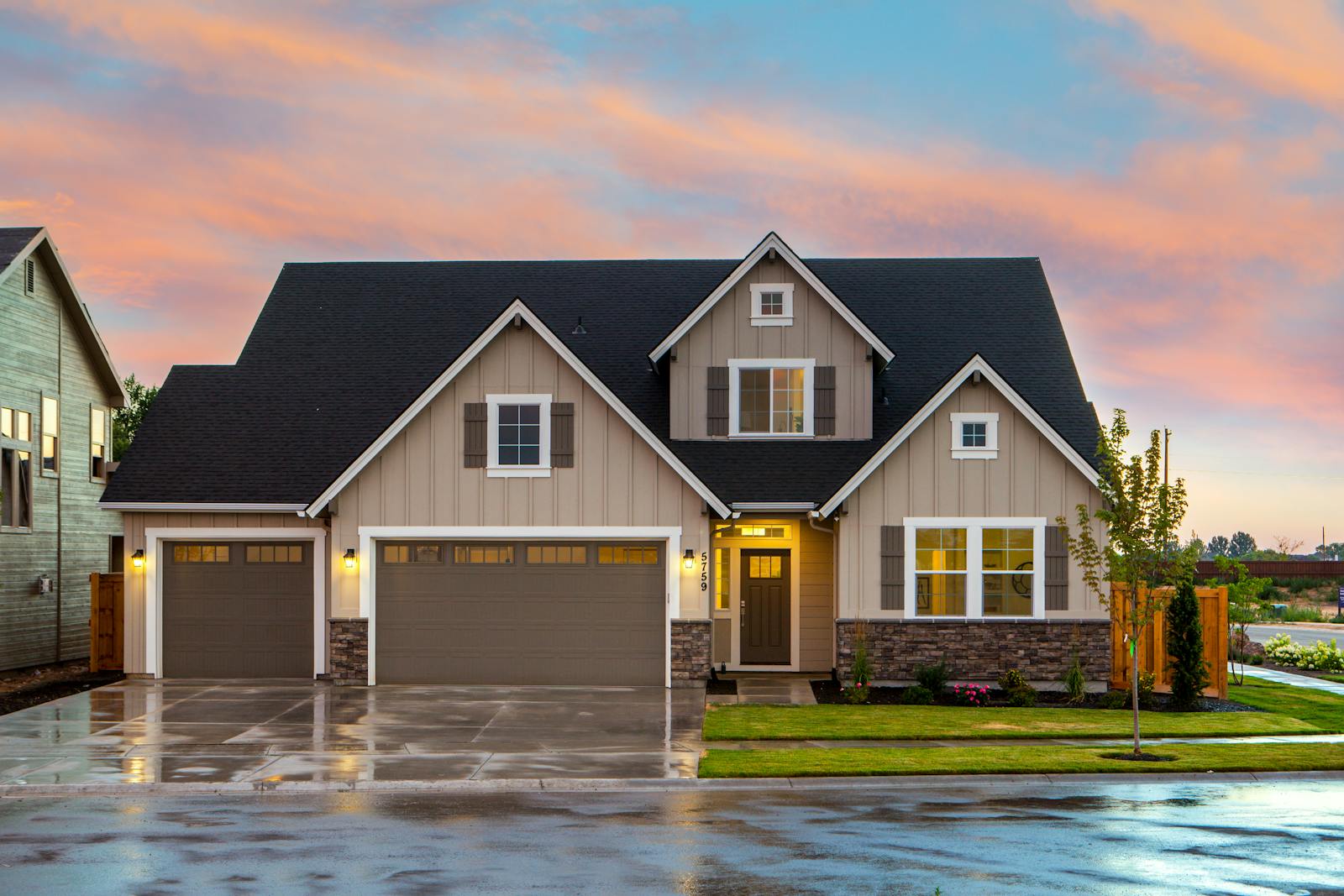
The home had a driveway gate, and a camera already watching it. From inside the house, there was no way to tell whether the gate was open or closed without walking out to look. And every time someone wanted to let a guest in, or open the gate before pulling into the driveway, they had to physically grab the handheld remote.
Two small annoyances, both fixable, but each needing a different trick.
The obvious fix for state was sensors on the gate: drilling, weatherproofing, cabling on a moving steel structure that lives outdoors in Melbourne weather. The obvious fix for control was replacing the gate motor or wiring something into its controller board. Invasive, expensive, and a guaranteed way to void any warranty.
We didn’t want to touch the gate at all. So we asked two simpler questions: can we just look at the picture? And can we just copy the remote?
Turns out, yes to both.
What we wanted it to do
- Answer “is the gate open or closed right now?” instantly, on demand
- Open and close the gate from any phone, from anywhere, not just from the original handheld remote
- Work in any lighting: bright noon, golden hour, dusk, near-dark
- Run locally in the home, no cloud
- Be reliable enough to trust for everyday automations, like opening in the morning and closing at night
- Add zero new hardware to the gate itself
What we built
The project came in two halves, and both had to be solved before the gate could be properly smart.
The first half was reading the gate’s state. A small image-recognition program that watches the gate through the existing camera and reports whether it’s currently open or closed.
The second half was controlling the gate remotely. A small radio device inside the house that learned the original handheld remote’s signal, so the home can press that “button” on demand from anywhere.
With both pieces in place, the home can see the gate and act on the gate. Everything else — dashboards, automations, schedules — builds on those two primitives.
Reading the state, with the camera that was already there
The home already had a camera pointing at the gate. We built a small program that lives on the home’s existing storage server. When the home wants to know the gate’s state, it asks the program. The program grabs a fresh frame from the camera, looks at the part of the image where the gate is, and decides whether it’s open or closed.
The home then uses that answer like any other piece of information: show it on the dashboard, trigger an automation, send a notification.
How the recognition actually works
A closed gate has a row of vertical bars. An open gate exposes the smooth driveway behind it. The first looks visually busy, the second looks smooth. The program uses that difference as its primary signal.
A few extra checks back it up. The orientation of the lines it can see, plus a comparison against reference images of “open” and “closed” in different lighting. The checks vote. Whichever side wins, the program returns that answer along with a confidence score.
This holds up because it doesn’t rely on the absolute brightness of the scene. It looks at contrast and structure, both of which stay consistent whether it’s noon or twilight.
Controlling the gate, by copying the remote
The gate already had a working handheld radio remote. Pressing its button toggles the gate: if it’s closed, the gate opens; if it’s open, it closes. The gate doesn’t care who presses the button.
We added a small radio-learning device inside the house and taught it the exact same signal the handheld remote sends. From the gate’s point of view, nothing has changed. It still just sees “the remote was pressed.” From the home’s point of view, anything the home can run — a dashboard tap, an automation, a schedule, a voice command — can now press that button over the network.
The original handheld remote still works exactly as before. Nothing on the gate was modified.
This is also why having reliable state matters so much. A blind “press the button” command on its own is risky, because you don’t actually know what state it’ll leave the gate in. Pair it with the camera-based recognition and the home can do useful things like “open the gate, but only if it’s currently closed”, or “close the gate at 10pm, but only if it’s open.”
What it does for the home
- Open or close the gate from any phone in the house, or from anywhere with internet through the home dashboard
- See the gate’s current state on the dashboard at a glance, no walking outside
- Auto-open in the morning and auto-close at night, with the camera confirming each action actually worked
- Whenever the camera sees motion near the gate, the recognition runs again so the state stays current
- The original gate hardware was never modified, so if anything in the smart layer ever fails, the handheld remote and physical controls keep working exactly as they always did
The result
The family got two things they didn’t have before. A trustworthy answer to “is the gate open?” without walking outside, and the ability to open or close the gate from a phone, from anywhere. Both built on top of equipment that was already in the house: a camera and a small radio device. The original gate, motor, and remote were never touched.
How this approach can apply to your home
If you’ve got an existing camera pointing at something whose state you want to know, or a working remote for something you want to operate from your phone — a gate, a garage door, ceiling fans, an old air conditioner, a projector, a parking spot, a side door — there’s usually a way to do it without bolting new hardware onto the thing itself. Use the camera that’s already there, copy the remote that already works, and stitch them together inside the home. Faster to deploy, nothing to weatherproof, and it works with the equipment you already have.